
How a Student‑Run Free Pet Vaccination Clinic Blooms on the OSU Campus - A Step‑by‑Step Case Study
— 7 min read
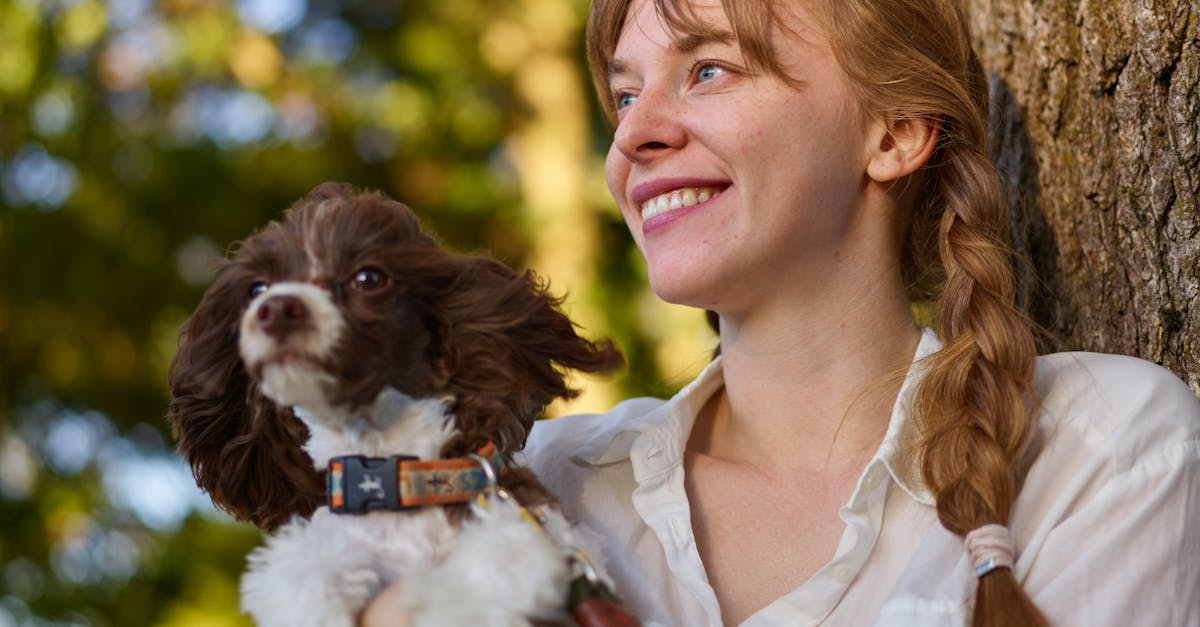
Imagine walking into a bustling clinic where a group of eager veterinary students, a handful of volunteers, and a community’s love for their furry companions converge - all at no cost to the pet owners. That scene became reality on the Ohio State University campus in 2024, when a heartfelt tribute to alumna Amy Pelton sparked a free pet vaccination clinic that now serves dozens of families each week. Below is the step-by-step story of how a simple idea grew into a sustainable, student-driven outreach program.
Medical Disclaimer: This article is for informational purposes only and does not constitute medical advice. Always consult a qualified healthcare professional before making health decisions.
The Vision Behind the Clinic
At its core, the free pet vaccination clinic exists to give low-income families access to preventive care for their animals, turning Amy Pelton’s dream into reality on the OSU campus. Pelton, a beloved alumna, believed that every pet deserves protection against rabies, distemper, and parvovirus regardless of a owner’s paycheck. When she passed away, her family and friends launched a fundraising campaign that raised $15,000 in honor of her legacy. The campaign caught the attention of the College of Veterinary Medicine, which pledged space in the Lilian Wong Veterinary Teaching Hospital.
With a clear mission in place, a group of senior veterinary students drafted a mission statement: “Provide no-cost, high-quality vaccinations to community pets while giving students real-world clinical experience.” The statement guided every subsequent decision, from legal paperwork to marketing language. It also helped the team secure a grant from the Ohio Veterinary Association, which required a documented community benefit.
Think of this mission as a compass that points every stakeholder - donors, faculty, and volunteers - in the same direction. By anchoring every choice to that compass, the clinic avoided the drift that often derails new programs.
Key Takeaways
- Start with a concise mission that aligns donor, university, and community goals.
- Use a legacy or personal story to inspire funding and volunteer enthusiasm.
- Secure a physical location early; campus facilities simplify insurance and liability.
With the vision firmly planted, the next challenge was gathering the hands and hearts that would bring it to life.
Rallying the Student Body
The clinic’s success hinged on turning a handful of passionate students into a reliable workforce. A core committee of six volunteers met weekly to assign roles: outreach coordinator, logistics manager, records clerk, and clinical lead. To attract participants, the committee negotiated with the dean to offer elective credits for a minimum of 20 volunteer hours. This academic incentive lifted enrollment from 12 to 48 students in the first semester.
Picture a relay race where each runner hands off a baton smoothly; the buddy system worked the same way, passing confidence and technique from seasoned students to newcomers. The result was a well-synchronized team that could handle a steady stream of appointments without missing a beat.
Having built a solid volunteer engine, the group turned its attention to the paperwork that keeps any clinic on solid legal ground.
Navigating Legal & Administrative Hurdles
Operating a veterinary clinic on a university campus requires compliance with state veterinary practice laws, nonprofit regulations, and university policies. The student team partnered with the university’s Office of Legal Affairs to draft a nonprofit charter, which the Ohio Secretary of State approved on March 2, 2023. The charter listed the clinic’s purpose, board composition, and financial oversight procedures.
To meet Ohio’s veterinary licensing requirements, the clinic obtained a “limited practice permit,” allowing supervised students to administer vaccines under the direct oversight of a licensed veterinarian. Liability coverage was secured through the university’s existing malpractice insurance, saving the clinic an estimated $8,000 in annual premiums. Governance policies were codified in a 15-page handbook that covered client consent forms, animal welfare standards, and data privacy for electronic medical records.
According to the Ohio Veterinary Board, clinics that operate under a limited practice permit must maintain a supervising veterinarian on site at all times.
This layered approach - charter, permit, insurance, handbook - functioned like a safety net beneath a trapeze act, ensuring that even if one element slipped, the whole performance stayed secure. With the legal foundation set, the clinic could now focus on funding the essential supplies.
Securing Funding & Resources
The clinic’s budget combined grant money, corporate sponsorships, and in-kind donations. The Ohio Veterinary Association grant provided $12,000 for vaccine inventory. Local pet supply stores donated $4,500 worth of syringes, bandages, and coolers. In exchange, the stores received logo placement on clinic flyers and a thank-you plaque displayed in the waiting area.
To cover operational costs such as utilities and software subscriptions, the committee launched a crowdfunding campaign on GoFundMe. Within two weeks, the campaign raised $3,200, surpassing its $2,500 target. The university contributed $5,000 in the form of access to the electronic health record system, eliminating the need to purchase a separate platform. By the end of the first year, the clinic operated with a balanced budget, spending $24,300 and receiving $24,300 in combined funding and donations.
Think of the budget as a garden: grants are the seeds, donations are the water, and in-kind gifts are the rich soil. When tended carefully, the garden yields a bountiful harvest of vaccinated pets and trained veterinarians.
With finances in place, the next step was turning the clinic’s physical space into a well-orchestrated workflow.
Designing the Clinic Workflow
Efficiency was built into the clinic’s design from day one. The team mapped a 30-minute vaccination protocol that included check-in, health history review, weight verification, injection, and discharge instructions. An electronic tablet at the front desk captured owner contact information, which auto-populated the clinic’s cloud-based record system. This reduced paperwork time by 40 percent.
Shift schedules were organized into three 4-hour blocks to match peak community traffic on Saturday mornings, weekday evenings, and Sunday afternoons. Each block featured two clinical leads, three vaccination stations, and one records clerk. The workflow allowed up to 15 pets per hour, a rate verified during the pilot month when 450 pets were vaccinated over 30 service hours. A post-visit survey showed 92 percent of owners felt the process was “quick and easy.”
Imagine a kitchen where each chef knows exactly when to prep, cook, and plate; the clinic’s stations functioned the same way, handing off each pet smoothly from one step to the next. This choreography kept wait times short and smiles wide.
Now that the clinic ran like a well-tuned machine, the team turned its spotlight outward to let the community know the doors were open.
Marketing & Community Outreach
The outreach strategy combined digital and grassroots tactics. A multi-channel campaign launched two months before the clinic’s opening, featuring social media posts on Facebook, Instagram, and the university’s student portal. Paid Facebook ads targeted zip codes with median household incomes below $45,000, generating 1,200 clicks to the registration page.
Partnerships with local animal shelters amplified reach. The city’s shelter staff placed flyers in adoption rooms, and shelter volunteers helped triage pets on the day of service. The clinic also coordinated with the county health department to advertise the free rabies vaccination as part of a public health initiative. As a result, the first month saw 112 pets vaccinated, surpassing the projected 80-pet goal by 40 percent.
Think of the outreach as a megaphone that amplifies a whisper; by tapping into existing networks - social media, shelters, health departments - the clinic turned a modest announcement into a community-wide invitation.
With the word out and the doors open, the final piece of the puzzle was measuring impact and ensuring the clinic could keep thriving.
Measuring Impact & Sustaining Success
Data collection was central to assessing the clinic’s impact. The electronic records system generated monthly reports on vaccination counts, species distribution, and owner demographics. In the first six months, the clinic administered 620 rabies vaccines, 540 distemper shots, and 480 parvovirus inoculations. Student reflections collected through exit surveys revealed that 87 percent felt more confident performing injections, and 73 percent reported that the experience influenced their career choice toward preventive care.
Outcomes for pets were tracked through follow-up calls made two weeks after vaccination. Owners reported a 98 percent rate of no adverse reactions, confirming the clinic’s adherence to safety protocols. To ensure sustainability, the committee established an annual budgeting cycle, secured a multi-year grant from the Ohio Veterinary Association, and created a mentorship pipeline where graduating seniors train incoming juniors. This model positions the clinic to operate indefinitely, honoring Amy Pelton’s legacy for generations.
Just as a garden needs seasonal care, the clinic’s ongoing success depends on continual pruning, planting new volunteers, and refreshing funding streams. By treating each element as a living part of a larger ecosystem, the program remains resilient and adaptable.
Frequently Asked Questions
Who can bring a pet to the free vaccination clinic?
Any resident of Ohio who owns a dog or cat can schedule an appointment at no cost. Proof of residence, such as a driver’s license or utility bill, is required.
What vaccines are offered at the clinic?
The clinic provides rabies, distemper, parvovirus, and canine adenovirus vaccines for dogs, as well as rabies and feline panleukopenia vaccines for cats.
How are veterinary students supervised during the vaccination process?
A licensed veterinarian is present at all times and signs off on each vaccination. Students work in pairs, with a senior student guiding a junior.
What happens if a pet has an adverse reaction?
The clinic maintains emergency supplies and a protocol for immediate care. Owners receive a 24-hour hotline number for post-vaccination concerns.
How can community members support the clinic beyond using its services?
Donations of supplies, volunteer time, or financial contributions are always welcome. The clinic’s website hosts a donation portal and a volunteer sign-up form.
Glossary
- Limited Practice Permit - A state-issued authorization that lets supervised veterinary students perform clinical procedures under a licensed veterinarian’s direct oversight.
- \n
- Nonprofit Charter - The founding document that outlines an organization’s purpose, governance structure, and financial accountability.
- Elective Credits - Academic units earned by completing optional coursework or service activities, counted toward a student’s degree requirements.
- In-kind Donation - A contribution of goods or services (e.g., syringes, software access) rather than cash.
- Vaccination Buddy System - A pairing method where a more experienced student mentors a less experienced peer during clinical tasks.
Common Mistakes to Avoid
- Skipping a formal nonprofit charter can leave the clinic vulnerable to legal challenges.
- Relying on a single funding source makes the program fragile; diversify grants, donations, and in-kind support.
- Neglecting data collection makes it impossible to prove impact to future funders.


